Learning Plant Identification: Quiet Mistakes and Small Fixes
Problem
When people start learning to identify plants, the process is often frustrating because small errors compound into confusion. A single misread leaf shape, a reliance on a low-quality photo, or assuming a plant always looks the same can lead to misidentifications that feel discouraging. The quiet problem is not lack of curiosity; it is a pattern of common mistakes that slow learning and make field notes less reliable.
Principles
These principles are intended as calm, corrective reminders you can use on a walk, in a garden, or when flipping through a wildflower guide.
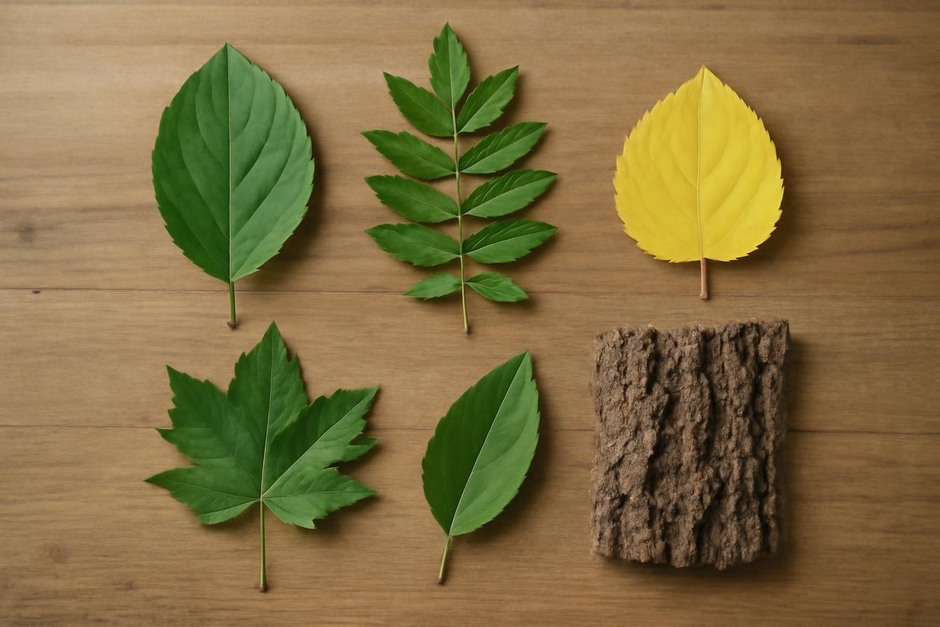
- Observe multiple characters. Don’t identify a plant by one feature alone. Combine leaf shape, arrangement, flowers (if present), fruit, bark, and overall habit.
- Respect seasonality and variation. Plants change through the year. A plant in spring will not look like the same plant in autumn. Consider age, light, and soil differences.
- Note context and habitat. Where a plant grows—wetland, shade, roadside—narrows possibilities. Habitat is part of the plant’s identity.
- Use comparative description. Describe what you see in relation to familiar references: is the leaf longer than your thumb? Is the bark smooth like a young beech or scaly like an old oak?
- Avoid single-photo dependence. One blurry image rarely captures diagnostic details. Multiple clear views (leaf top and underside, stem, fruit) are better.
- Learn to ask the right questions. Instead of “what is this?” ask: What type of plant is it (tree, shrub, herb)? Are leaves opposite or alternate? Does it have stipules or a milky sap?
Examples
Example 1: The Flower-Only Trap
Problem: You see a bright blossom and assume that floral color is enough to identify the plant.
Correction: Flowers can vary even within a species and many unrelated plants share similar colors. Note the flower’s shape and the number and arrangement of petals, then check leaves, stem, and fruit (if available). For instance, two yellow spring flowers might be a buttercup and a marsh marigold—both yellow but with different leaves and habitats.
Example 2: Mistaking Leaf Arrangement
Problem: Confusing alternate and opposite leaves leads to quickly narrowing down the wrong set of species.
Correction: Take a moment to find a node and look both ways. If leaves are paired directly opposite each other it points to a different group of plants than when leaves alternate up the stem. Practice on common yard trees until you can tell the difference at a glance.
Example 3: Overlooking Habitat Clues
Problem: You identify a plant in isolation without noting soil moisture or light conditions, then wonder why a similar-looking species later seems wrong.
Correction: Record whether the plant grows in wet ground, dry rocky soil, full sun, or deep shade. Habitat rules out many lookalikes and is especially helpful in regions where related species partition the landscape by moisture or elevation.
Example 4: Relying Only on an App Photo Match
Problem: Apps that match a single photo can give plausible but incorrect names, and the habit or scale is not assessed.
Correction: Use an app as a suggestion, then verify using the principles above. Cross-check with a field key or a trusted regional guide and compare several diagnostic traits before adopting a name.
Practice Checklist
A short set of actions to use on your next observation. Keep it on a small card or phone note and work through it deliberately for a few weeks.
- Identify the plant type: tree, shrub, vine, herb, grass.
- Photograph or sketch: leaf top, leaf underside, node, whole plant, and any buds/fruit.
- Note leaf arrangement: opposite, alternate, or whorled.
- Describe leaf margins and shape: serrated, entire, lobed, pinnate, simple.
- Record habitat: soil moisture, light level, nearby plants, elevation (if relevant).
- Check for seasonal clues: flowers present? fruit? new growth or senescent leaves?
- Compare with at least two possible species and list the traits that match or differ.
- Annotate your field note: confident, possible, or unsure. Revisit uncertain IDs later in season.
Small, steady corrections to these common mistakes build reliable skills. The aim is not perfection but a clearer habit of observing with multiple senses and recording useful details. Over time, the quiet practice of checking these points turns curiosity into confident knowing, one plant at a time.