From Herbarium to Pocket Press: A Short History of Plant Pressing and Everyday Practice
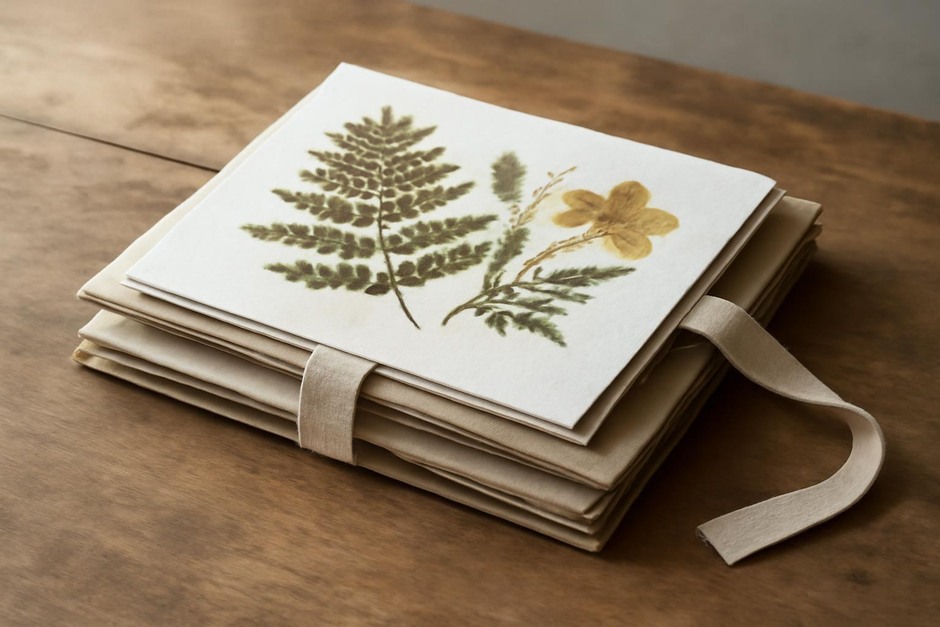
On a damp autumn afternoon, a fold of newspaper, a strip of twine, and a few bright leaves can feel like a tiny ritual that links the present to centuries of careful looking. Pressing plants is one of those domestic techniques that sits quietly between science and craft: it preserves a specimen, slows a moment, and invites a different kind of attention.
A brief history of pressing and why it mattered
The practice of flattening and drying plants to preserve them is old. Early herbals—manuscripts and books used for identifying medicinal plants—often relied on descriptions and illustrations, but as botanical study moved toward classification in the 17th and 18th centuries, physical collections grew important. European collectors and early naturalists began assembling herbaria: systematic, labeled mounts of dried plants used for reference and comparison.
By the 19th century the domestic and scientific uses of pressed plants overlapped. Amateur collectors, schoolchildren, and professional botanists all learned the same basic technique, and the herbarium became both a scientific resource and a popular pastime. The slim, formal volumes kept in museums today are cultural records of exploration, trade, and changing landscapes; they are also reminders of a practical method anyone can learn.
Simple pressing methods for today’s walks
You don’t need special equipment to begin. The essentials are absorbent layers, ventilation, and weight. Here is a basic method adapted for walks and home use:
- Gather gently: choose healthy, representative specimens—leaves, flowers, small herbaceous stems. Avoid rare or legally protected plants.
- Prepare layers: use blotting paper, plain paper towels, or newspaper between pieces of corrugated cardboard. Commercial blotters and archival paper are optional for longer-term preservation.
- Arrange the specimen: position petals, leaves, and stems so key features are visible. Slightly open flowers can show structure; thin stems lie flat.
- Stack and press: layer specimens between paper, stack cardboard for airflow, and add weight—books, a board with straps, or a bench. Keep in a dry place.
- Change papers: check every few days at first and change damp papers. Most small herbaceous specimens dry in one to three weeks.
For a pocket press intended for field use, lightweight materials—two boards, corrugated cardboard, and elastic straps—make a portable kit that can be tightened as it dries. For delicate flowers, interleave tissue or glassine to preserve color and shape.
Uses at home: study, display, and quiet noticing
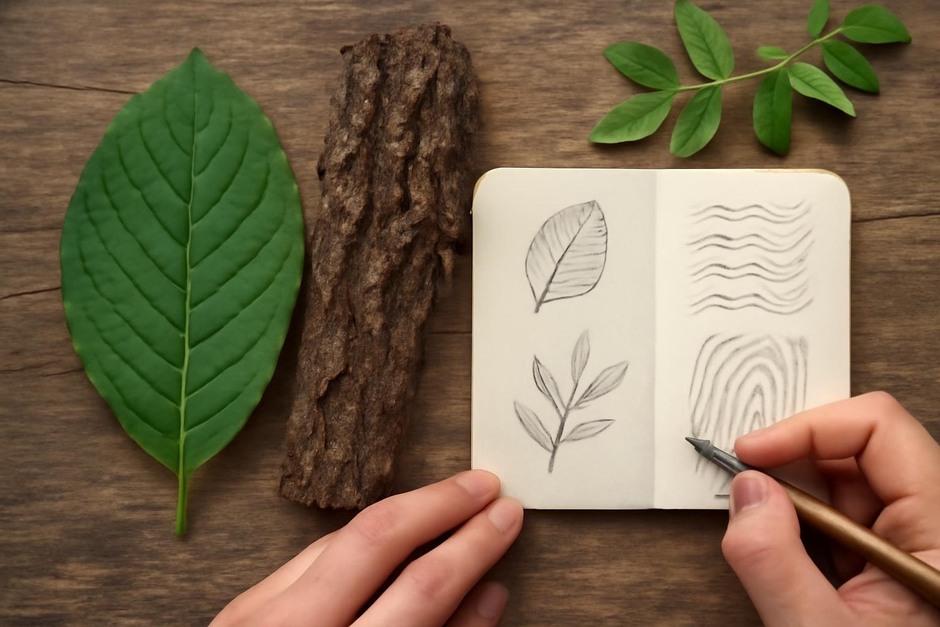
Pressed plants slide easily into a range of modest, everyday uses. They can be a study tool—pinned in a small notebook with a date and location—or become simple home touches: framed sprigs, labels inside a seedbox, or calming prints for a windowsill gallery. The practice also pairs naturally with journaling; a dried specimen carries the memory of place and season into written notes.
- Study: compare a pressed leaf to photos or field guides, note vein patterns, margins, and size.
- Craft: make greeting cards, bookmarks, or herbarium-style mounting with handwritten labels for a personal archive.
- Display: mount specimens between glass or in simple frames to make visible the small details of a walk.
Because pressing compresses three-dimensional forms into two, the results won’t always capture scent or the full texture of a plant. That limitation is part of the practice’s charm: it asks for observation as well as collection.
Ethical collecting and mindful practice
Pressing plants carries a responsibility to place and species. A few guidelines help keep the activity sustainable and considerate of other people and wildlife:
- Favor common species: choose abundant plants rather than rare or protected ones.
- Take small samples: a single leaf or flower often suffices—no need to remove the whole plant.
- Respect private land and regulations: obtain permission where required and observe local rules in reserves or parks.
- Leave visible ecosystems intact: avoid disturbing nests, fungi, or areas with many small organisms.
When in doubt, a photograph alongside a small sample can preserve context without greater impact. Ethical practice keeps the joy of collecting available for others and for the plants themselves.
Conclusion
Pressing plants is a small, practical thread that connects domestic craft, natural history, and quiet observation. Whether you make a pocket press from scrap cardboard or collect specimens for a seasonal notebook, the method invites a slower approach to the outdoors. The herbarium’s history reminds us that such ordinary techniques have helped people learn about place and change across centuries—an encouraging thought for anyone who wants to notice the next leaf on the path.