Planting a Small Wildflower Patch: Common Mistakes and How to Fix Them
Problem
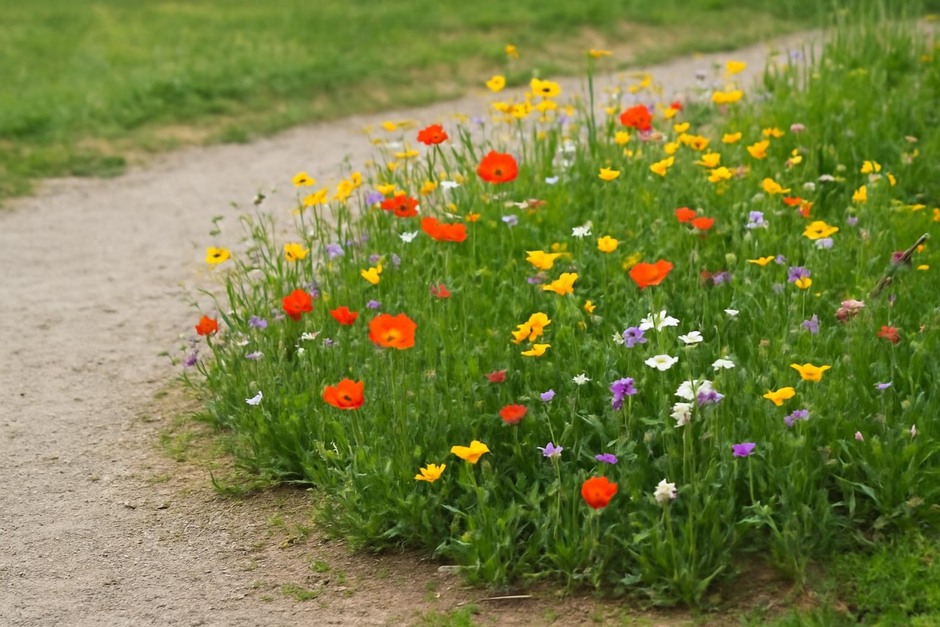
Many people picture a tidy swath of swaying blooms and expect quick, effortless results. In practice, small wildflower patches often fail to flourish, look overcrowded with weeds, or quickly succumb to a few aggressive species. The problem usually isn’t the idea — it’s a set of common choices made at the start and during the first two seasons that prevent a diverse, low-maintenance patch from establishing.
Principles
To turn a small wildflower plot into a resilient, gentle part of the garden, keep these guiding principles in mind. Each principle addresses a frequent mistake and points to a simple correction.
- Match seeds to conditions: The wrong seed mix for your light, soil, or moisture will struggle. Choose species suited to your site rather than forcing a sunny mix into shade.
- Favor low-fertility soil: Wildflowers often prefer lean soils. Adding rich compost or fertilizer encourages fast-growing grasses and weeds that outcompete the flowers.
- Limit the seed list: Small patches work best with a curated selection of 6–12 species. Too many species or lots of vigorous exotics make management harder.
- Prepare modestly, not obsessively: Clear perennial weeds and compete lightly with a shallow cultivation or turf removal. Heavy tilling can bring buried weed seeds to the surface.
- Be patient with appearance: Many native wildflowers take a season or two to mature. Expect early thinness and plan to manage it rather than replanting immediately.
- Adopt gentle maintenance: Mow or cut once a year at the right time, and remove that material to reduce soil fertility over time.
Common Mistakes and Corrections
- Mistake: Using a generic ‘meadow seed mix’ without checking content. Correction: Read labels and select mixes with local native species or pick individual species known to thrive in your microclimate.
- Mistake: Topping the area with a thick layer of compost or fertilizer. Correction: Keep soil reasonably poor. If compost is needed to improve texture, use a thin layer and blend it sparingly.
- Mistake: Planting in a small area and expecting instant density. Correction: Sow at recommended rates and accept that density often improves after the second year; reseed sparingly where gaps persist.
- Mistake: Fighting every weed immediately with herbicides or deep cultivation. Correction: Pull persistent perennial weeds before seeding; manage annual weeds by shallow cultivation, mulching with a light straw, or spot weeding early in the season.
Examples
-
Urban balcony planter:
Problem: Too much shade and a store-bought ‘wildflower’ mix intended for full sun. Flowers thinned out and moss took over. Fix: Swap to shade-friendly natives (like woodland wildflowers or early spring ephemerals) and reduce water and fertilizer. Trim back any overhanging growth to let in dappled light, and add a shallow mixture of gritty, low-nutrient potting medium.
-
Small front-yard strip:
Problem: Heavy winter rains encouraged grass and aggressive grasses dominated the first season. Fix: In late summer, remove the turf strip with a sod cutter or by shading the area for a few weeks, sow a grass-free perennial mix with several hardy species, then mow once annually in late autumn and collect clippings to reduce soil fertility.
-
Backyard border against a fence:
Problem: The owner spread rich compost, leading to lush growth of a few tall flowers but little diversity. Fix: Top-dress with a thin layer of sharp sand or grit to lower available nutrients, divide or thin the dominant plants, and introduce several low-growing, drought-tolerant species to fill lower layers.
Practice Checklist
- Assess the site: note sun hours, drainage, and soil texture.
- Choose species for your conditions; aim for 6–12 complementary plants.
- Prepare the area: remove perennial weeds, shallowly cultivate or lift turf, and avoid enriching the soil heavily.
- Sow at recommended seeding rates; gently rake or press seeds in—do not bury deeply.
- Water sparingly to encourage root development; avoid constant wetness that favors weeds.
- Resist over-care in the first season; monitor and remove problem weeds by hand.
- After the first full season, mow or cut back in late summer or early autumn and remove cuttings to keep soil lean.
- Reassess in year two: fill stubborn gaps with targeted reseeding or small transplants rather than wholesale replanting.
Small wildflower patches are an invitation to slow observation. With a few careful choices up front and simple yearly habits, a modest plot will reward you with seasonal surprises and quiet, low-maintenance beauty.