Seven Steps to Create a Year‑Round Sit Spot: A Simple Habit for Observing Nature
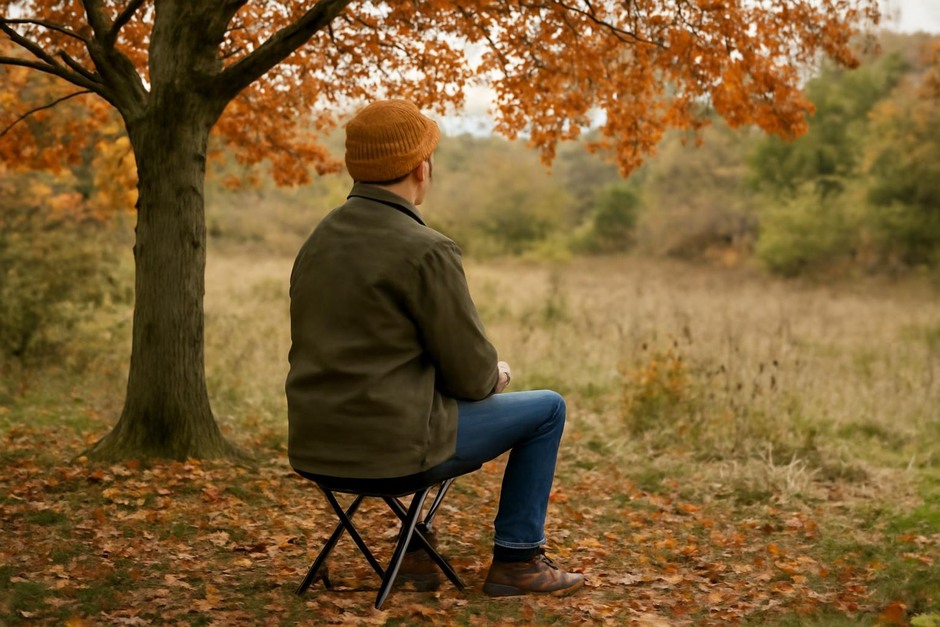
Finding a consistent place to sit and watch the small changes in the world around you is one of the simplest, most rewarding seasonal habits. A sit spot—an accessible bit of ground you return to regularly—helps you notice rhythms of weather, plant life, and animal behavior that pass unseen in a hurried life. Below is a clear seven-step method to choose, settle into, and sustain a year‑round sit spot, followed by gentle variations and practical troubleshooting.
Seven-step sit-spot method
-
Choose a reachable place.
Start with somewhere within easy reach of home: a patch of lawn, the edge of a garden bed, a bench in a local park, or a quiet corner of a balcony. The key is consistency, so prioritize accessibility over perfection.
-
Set a short, realistic time goal.
Commit to a brief first session: five to fifteen minutes. Short sessions lower the barrier to starting and are often more sustainable than grand plans. You can lengthen the time later if the spot and practice suit you.
-
Bring a simple base setup.
Collect a minimal kit you can carry to the spot: a lightweight sitting pad or folding stool, a small notebook and pencil, and an insulated mug in colder months. Keep the kit together so preparing feels like putting on a familiar coat.
-
Begin with a listening and breathing pause.
When you arrive, spend one to two minutes breathing slowly and listing the sounds and sensations around you. This quiet orientation resets attention and makes it easier to notice incremental change.
-
Observe slowly and record one detail.
Rather than trying to take in everything, focus on one small element—a twig, a patch of moss, a bird or the way light falls on a stone. Note one observation in your notebook: a sketch, a single sentence, or even a word that captures the moment.
-
Move gently, leave no trace.
If you adjust position, stand and sit slowly. Keep footsteps light and avoid disturbing soil or plant life. A sit spot is a place of minimal impact: the more consistently you leave it undisturbed, the more wildlife will trust it.
-
End with a small ritual of return.
Close the session with a short phrase, a photo of your notebook page, or a tidy folding of your sitting pad. This small act signals completion and makes returning tomorrow feel familiar.
How often and when
Aim for three short sessions a week to start, or whatever cadence fits your life. Morning and late afternoon often offer strong sensory contrasts (birdsong, dew, shifting light), but every time of day teaches different things. In winter, midday warmth may be kinder; in summer, choose shaded hours.
Variations
-
Urban balcony sit spot.
Use a potted plant cluster as your anchor. Notice city-adapted species, wind patterns between buildings, and the choreography of human movement as part of the broader ecology.
-
Seasonal rotation.
Keep one primary spot and an optional secondary site for seasonal needs: a sheltered nook for winter, a breezy meadow edge in summer. Rotating can expand what you notice without breaking the habit.
-
Accessible sit spot.
Adapt the setup for mobility needs: a stable folding chair, a raised bench, or placing the sit spot on a firm surface to ease access. The method is about repetition, not posture.
-
Notebook-free practice.
If writing feels like a barrier, use five-word summaries or return-ready mental tags (“orange lichen, three crows”) that you repeat aloud when you finish.
Troubleshooting and tips
-
Problem: I forget to go.
Anchor the sit spot to an existing habit. Go immediately after morning coffee, right before dinner, or at a consistent break in your day. Treat it as a tiny appointment with yourself.
-
Problem: My mind feels too busy.
Shorten the session to two or three minutes of breathing and one observation. Notice that the practice is about noticing, not emptying the mind. Even a busy mind will quiet with gentle repetition over weeks.
-
Problem: Weather is bad.
Have a weather plan: an under-tree shelter, a porch sit spot, or a folded tarp to sit on briefly. Alternatively, bring the sit spot indoors near a window and observe the same patch of sky or a houseplant.
-
Problem: Nothing interesting happens.
Shift the scale of observation. If large events are rare, look for micro-change: a leaf’s edge browning, an ant trail, or the angle of light moving across a rock. Interest grows from attention.
Over months, a sit spot becomes an archive of small discoveries: the return of a particular moth, the way a sapling leans after a winter, the quiet increase of moss over a stone. This method keeps the practice simple and repeatable so your curiosity can do the rest.