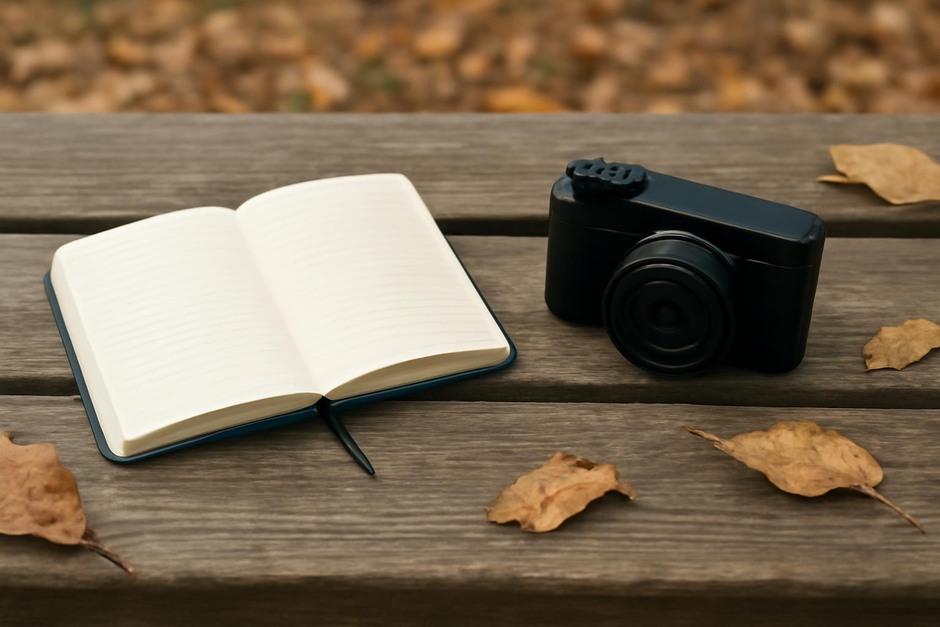
Notebook or Camera? Two Practical Ways to Track Seasonal Change in Your Yard
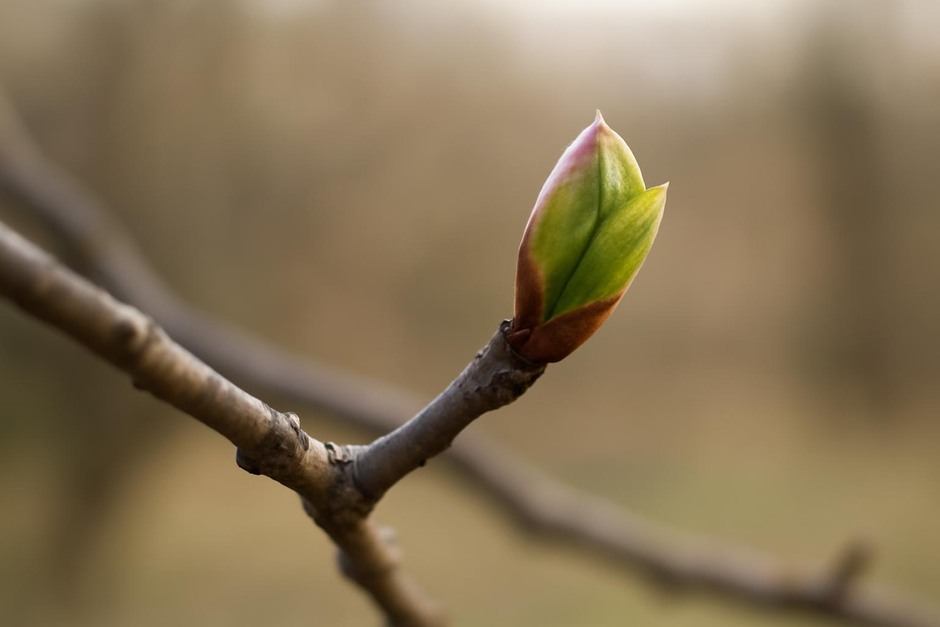
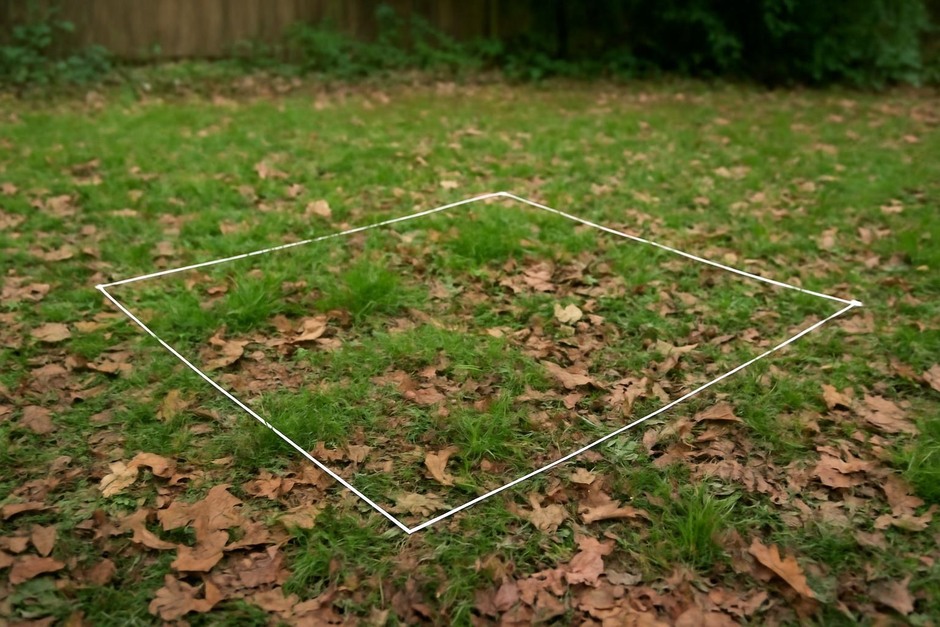
Watching the same patch of yard across weeks and months reveals a slow story: buds swell, song changes, soil smells different after rain. Two common, practical ways to record those changes are the written field journal and the photographic sequence. Each cultivates attention in different ways. Below I compare the two methods, then offer guidance to help you choose the one that fits your rhythms and goals.
Comparing the two approaches
1. The written field journal
The written journal is a small notebook — perhaps a pocket field notebook or a plain sketchbook — where you record observations, sketches, short measurements, and questions. Typical entries mix dates, weather notes, brief descriptions of what you saw and felt, and occasional quick drawings.
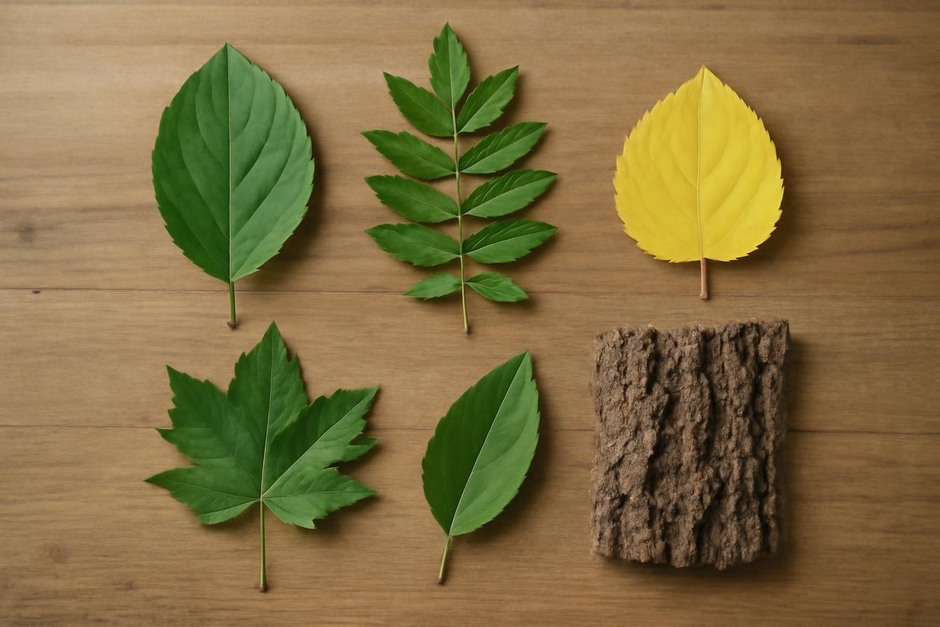
- Strengths: Writing slows you down. You notice small shifts: a new leaf shape, a change in scent after rain, a subtle difference in bird song. Sketching encourages careful looking and forces you to translate three‑dimensional subjects into line and tone, which deepens memory.
- Limitations: Notes depend on what you decide to write down; they can be subjective and uneven. If you’re in a hurry, entries can become sparse. Reading past entries requires organizing or indexing them manually.
- Gear and skills: A durable notebook, a pen or pencil, and a simple measuring tape or ruler. Basic sketching and a habit of consistent observation are useful but not required.
2. The photographic sequence
The photographic approach relies on a camera or phone to make a dated series of images from the same vantage points: a fixed tree, a garden bed, a bird feeder. The power of pictures is immediate visual comparison; side‑by‑side images make phenological shifts obvious.
- Strengths: Fast and consistent. A single photograph captures color, shape, and context, and timestamps make chronology clear. Digital files are easy to store, duplicate, and share.
- Limitations: Photos can encourage passive looking: it’s easy to press the shutter and leave without really observing. Some details — subtle textures, small smells, or song changes — aren’t captured. Lighting and framing inconsistency can make comparisons harder unless you establish a routine.
- Gear and skills: Any camera or phone will do. Basic attention to lighting and framing helps; learning to mark consistent camera positions (stake, tree, or painted marker) improves comparisons.
Hybrid possibilities
Many people find a hybrid approach most satisfying: a quick photo plus a sentence or two in a notebook. The photo preserves visual detail while the note captures sensory impressions and questions that the image cannot show. Hybrids combine the strengths of both methods while requiring only a modest extra effort.
How to choose between them
Deciding which method to adopt depends on what you want to learn, how much time you have, and how you like to work. Use the brief checklist below to match your aims to the approach, then follow a simple starter routine for that method.
Match your goals
- If your aim is deep observational skill and memory-building: choose the written journal. The act of describing and sketching strengthens noticing and helps you recall details later.
- If your aim is clear visual comparison over time: choose photographic sequences. They make it easy to see when leaves unfurl, when flowers open, or how the light changes through the year.
- If you want both sensory richness and visual record: choose the hybrid. It’s especially useful for teaching children or for anyone who wants a quick habit that still deepens attention.
Consider your constraints
- Time: If you can spare only 2–5 minutes, photos or a short line in a notebook are realistic. If you have 10–20 minutes, add a sketch or a longer entry.
- Storage and retrieval: Digital photos are easy to archive but can get lost; make a simple folder system by year and subject. Notebooks need an index page or dated entries to be useful long term.
- Season and weather: Cold or wet days favour photos for speed. Mild days favour sitting with a notebook.
Starter routines
Use one of these routines for the first month to build the habit.
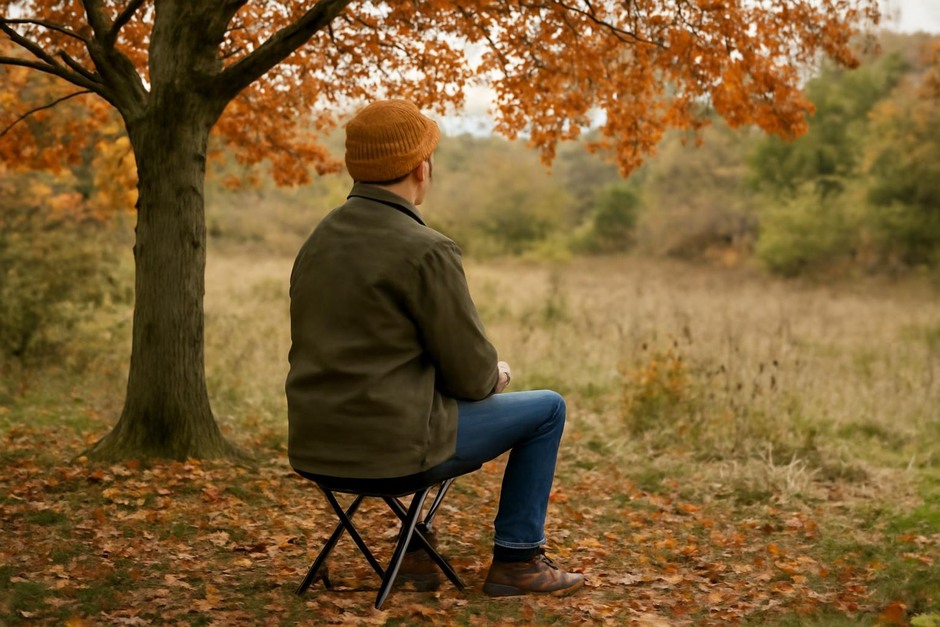
- Notebook routine (10 minutes): Sit in the same spot once or twice a week. Note date, time, temperature (estimate), and immediate observations (3–5 short sentences). Add one quick sketch or a list of species seen. Finish with one question or curiosity to revisit.
- Photo routine (2–5 minutes): Choose 2–4 fixed viewpoints. Take a photo from each point once or twice a week, holding the camera at roughly the same height and angle. Name files with date and location (e.g., 2026-03-14-front-beds).
- Hybrid routine (5–12 minutes): Take one photo and write two sentences: what you noticed and one sensory detail (scent, sound, texture). Add a short sketch if you have time.
Whichever path you choose, the real gift is the rhythm. Regular, modest attention turns small changes into a readable story. Over time you’ll start to anticipate shifts — a bud about to open, a migratory trill returning — and that anticipation is the heart of careful field observation.
Begin with what feels simple and repeatable. Adjust as you learn. The practice is less about perfect records than about training the eye and making the slow seasons more vividly present.