Classical Key or Image‑Based ID? A Short History and How to Choose
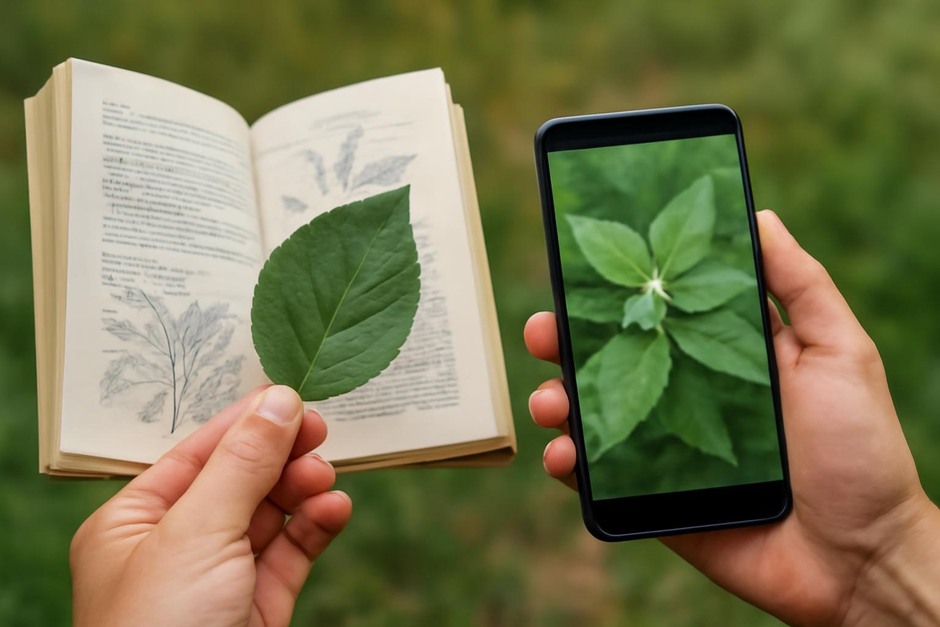
When people set out to learn the plants around them, they usually follow one of two traditions. One is the slow, systematic practice taught by classical keys and botanical manuals; the other is the immediate, image‑based approach made easy by cameras and pattern‑matching tools. Both have roots in older practices and both work well in different contexts. Below is a brief historical sketch, a practical comparison of the two approaches, and guidance to help you choose—or combine—them.
A brief history: two ways of knowing plants
The classical method grew from the work of 18th‑ and 19th‑century naturalists who needed reliable ways to communicate about species. Dichotomous keys—step‑by‑step choices about features such as leaf shape, flower parts, or arrangement—emerged as a way to narrow possibilities logically and to make identifications reproducible. Herbariums and pressed specimens supported this work: a specimen preserved on paper could be examined, compared, and named across generations.
The image‑first approach is much older in spirit—people have always learned by looking—but its modern form is recent. High‑quality portable cameras, field guides with plentiful photographs, and, more recently, software that compares images to databases, have made quick visual matches common. Where classical keys encouraged analysis of diagnostic traits, image‑based methods privilege recognition of whole forms and patterns.
Comparing the two approaches
Here are practical differences you’ll notice as you try each method.
How learning happens
- Classical keys: Teach you to parse features—counting stamens, noticing leaf attachment, or measuring the calyx. That analysis builds a vocabulary and transferable skill set that helps when species are unfamiliar or when photos are poor.
- Image‑based ID: Trains pattern recognition. You learn to notice overall habit, color patterns, or typical contexts. This can be faster for common species and more forgiving for novices.
Reliability and failure modes
- Classical keys: Generally robust when you can observe the diagnostic traits. They can fail if the specimen lacks flowers, is atypical, or if the key expects a technical term you don’t know.
- Image‑based ID: Works well with clear photos of typical specimens, but can stumble on hybrids, juvenile plants, or closely related species that look similar in photos.
Tools and field conditions
- Classical keys: Require a reference book or key and sometimes simple tools (hand lens, ruler). They work offline and are useful in remote places or when you prefer low‑tech fieldwork.
- Image‑based ID: Depends on cameras or phones and good lighting. It is convenient for quick checks but less reliable where connectivity or high‑quality photos are limited.
How to choose for your goals
Which approach suits you depends on why you want to identify plants. Here are some common goals and recommended approaches.
- Want to learn deeply and be independent: Favor classical keys. The deliberate attention to features builds lasting skills and helps you identify plants in odd conditions.
- Want quick, enjoyable exploration: Image‑based methods are friendly and fast. They lower the barrier to noticing and can make walks feel rewarding sooner.
- Working with children or beginners: Start with images and whole‑plant recognition, then introduce simple key concepts (leaf shape, arrangement) as games.
- Surveying an area for records or research: Use keys for verification. Image matches can be a first pass, but confirmation with diagnostic traits or specimens is important for accuracy.
- Exploring remote or low‑resource places: Classical methods and a small set of printed references are more dependable when technology is unreliable.
Practical hybrid steps
- Start with a clear photograph (multiple angles: leaves, stem, flowers) to get an initial idea.
- Use that idea to consult a key or a written description—this helps confirm or correct the visual guess.
- Note two or three diagnostic traits in a notebook or sketch; those are the features that best separate one species from its look‑alikes.
- Repeat the routine over seasons; keys become easier with practice, and image recognition improves as your visual library grows.
Combining methods lets you enjoy the speed of modern image recognition while gaining the deeper literacy that classical keys offer.
Both traditions—analytical keys and image‑first recognition—are part of a long human project: learning the living forms that share our places. Choose the path that suits your curiosity and context, and don’t feel bad about borrowing from the other. The quiet work of looking, noting, and returning often matters more than the method itself.