Six Small Experiments to Learn the Trees in Your Neighborhood
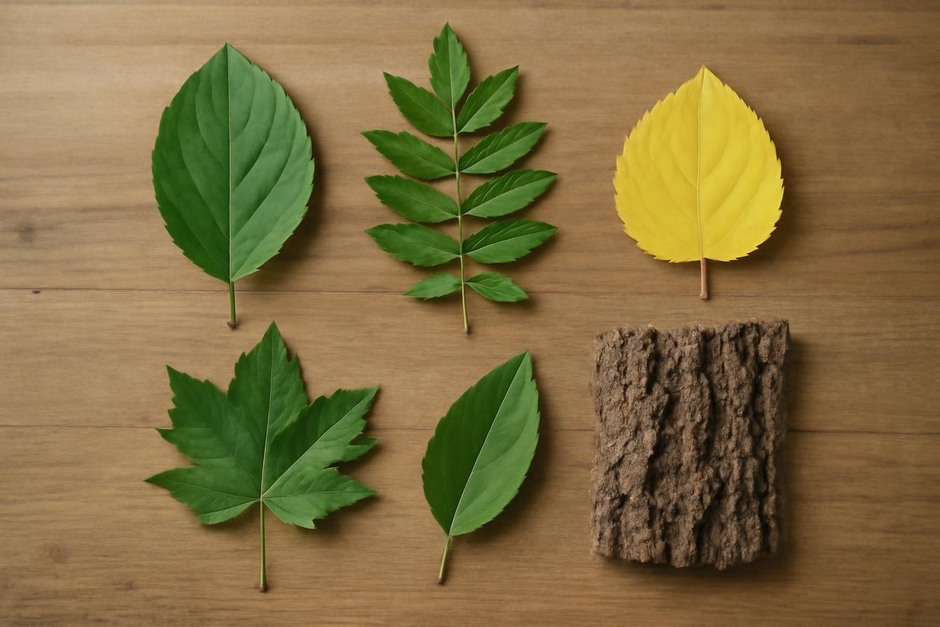
Learning to recognize the trees that surround your home is a practical, calming skill that deepens ordinary walks and helps you notice seasonal changes. Instead of memorizing names from a book, this guide offers six small experiments you can do over days or weeks. Each experiment trains a specific habit of observation; taken together they build a reliable, place-based ability to identify trees.
Experiment 1: The Leaf Portrait (30 minutes per tree)
Goal: Notice leaf shape, arrangement, and texture — the quickest clues to a tree’s identity.
- Materials: notebook, pen, a paper bag, small scissors, tape.
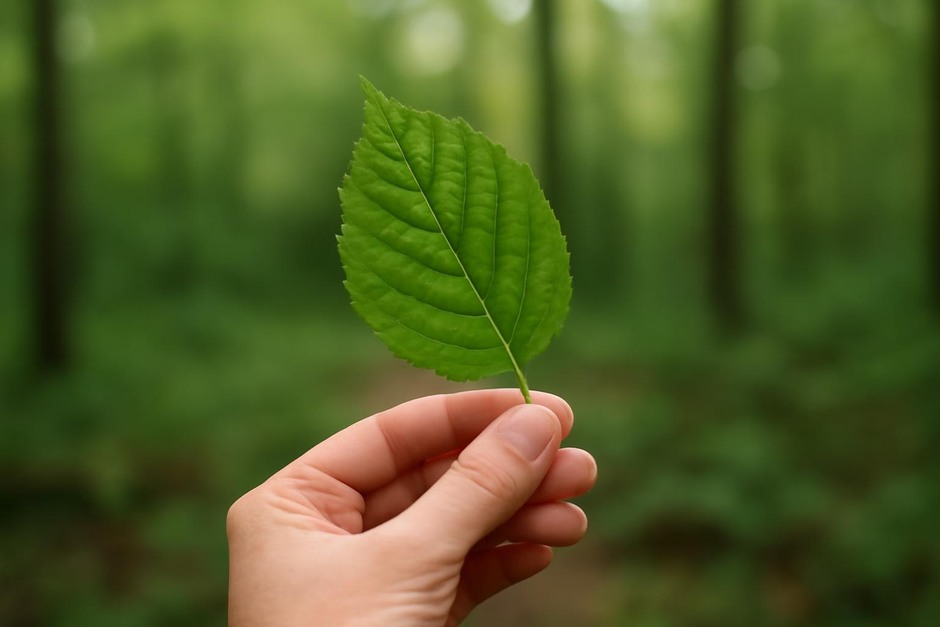
- Steps: On a short walk, select a tree within easy reach. Collect one representative leaf (or a small cluster if the species has compound leaves) and place it in the bag. Back home, tape the leaf to your notebook and draw its outline. Note whether leaves are opposite or alternate on the stem, whether the edge is smooth, toothed, or lobed, and whether the surface is glossy, hairy, or rough.
- Observation prompt: Which feature felt most distinctive? Could you have picked the tree again by seeing its leaf on the page?
Experiment 2: Bark as a Fingerprint (10–20 minutes)
Goal: Learn to read bark patterns and textures that persist year-round.
- Materials: pencil, paper, cloth to wipe hands.
- Steps: Visit three different trees and rub the pencil over paper pressed against the bark to make a rubbing. Compare ridged, scaly, smooth, and peeling patterns. Note color variations, lenticels (small horizontal marks), or flaking plates.
- Observation prompt: Match a bark rubbing to the leaf portraits from Experiment 1. Which combinations repeat in your neighborhood?
Experiment 3: Fruit and Seed Detective Work (15–30 minutes when present)
Goal: Associate seeds, nuts, and fruits with the parent tree — a seasonal but telling clue.
- Materials: small container, label stickers, camera (optional).
- Steps: Walk beneath trees that are fruiting or shedding seeds. Collect one seed or fruit per species and label it with the date and location. Return to your notebook and sketch or photograph the find, noting whether it was fleshy, winged, hard, or pod-like.
- Observation prompt: Do winged seeds correspond to a particular leaf type or bark texture you already recorded?
Experiment 4: Silhouette and Habit Study (20 minutes)
Goal: Train your eye to recognize trees by overall shape and branching pattern.
- Materials: binoculars (optional), phone camera.
- Steps: Stand at a distance where you can see the whole tree. Sketch or photograph the outline against the sky. Note whether the crown is rounded, conical, vase-shaped, or columnar, and whether branches are dense or open. Revisit the same tree in different light to see how silhouette changes.
- Observation prompt: Which silhouettes are easiest to pick out from a distance? Can you map where those forms appear on a street or park?
Experiment 5: Habitat and Neighborhood Mapping (45–60 minutes)
Goal: Understand where different species prefer to grow — soil moisture, sun exposure, and proximity to buildings all matter.
- Materials: simple map of your block or yard, pencil, ruler.
- Steps: Walk a block or your yard and mark each tree on the map with a small symbol and one-word notes: “sunny,” “shaded,” “moist soil,” “next to sidewalk,” etc. Compare where the same species cluster. Are certain species lining streets while others prefer yards or parks?
- Observation prompt: Which environmental factors seem to influence tree placement in your area?
Experiment 6: The Seasonal Calendar (ongoing)
Goal: Build a seasonal record so you recognize each species by time of year — buds, flowers, leaf-out, color change, and dormancy.
- Materials: calendar, notes from earlier experiments, phone or camera.
- Steps: For a handful of trees you recorded earlier, note the date of first leaf-out in spring, first flowers, peak leaf color in autumn, and when leaves fall. Add short observations like “early bud swelling” or “late color drop.”
- Observation prompt: Which trees follow predictable schedules? Which vary year to year?
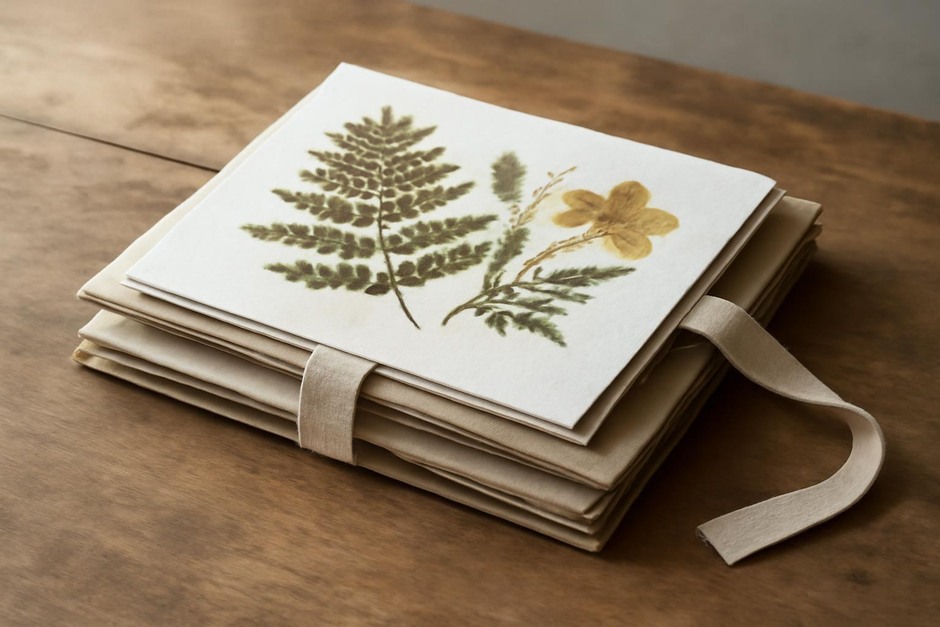
After completing these experiments, assemble the pages in your notebook into a simple field guide for your neighborhood. Each entry can include the leaf portrait, bark rubbing, seed sample, silhouette sketch, mapped location, and a short seasonal note. Revisit the same specimens across seasons and refine your entries; the act of repeated observation is the real training tool.
These small, measurable exercises shift tree identification from rote memorization to a habit of noticing. Over weeks and months you will start to recognize patterns: a certain bark with a particular leaf, or a preferred habitat for a species. The skill you build is portable — it enriches walks, gardening decisions, and quiet appreciation of the living skyline around your home.
Tip: Keep your experiments gentle: do not damage living tissue, and take only what is already fallen for seeds and leaves. Observation can be curious and kind.