Four Portable Ground Choices for Quiet Outdoor Time: Materials, Methods, and Trade‑Offs
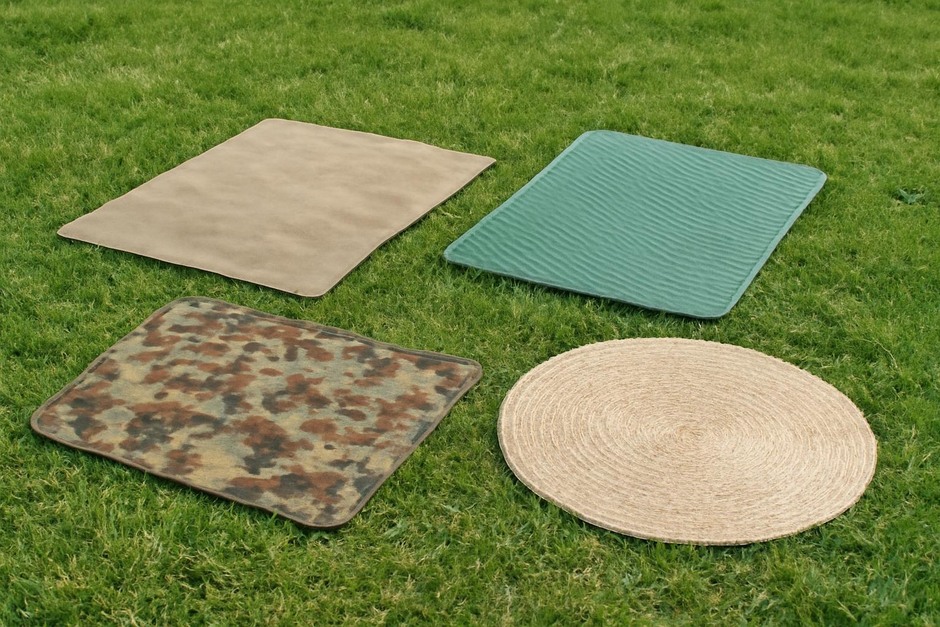
On a quiet morning, a small patch of ground becomes an entire scene: a lap for a sketchbook, a place to warm your hands on a thermos, a chairless seat to listen to birds. The surface you carry matters less than the act of settling, but it affects comfort, weight, care, and how often you’ll reach for the routine. Below are four distinct approaches—each common, practical, and suited to slightly different habits.
1. Waxed‑canvas groundsheet: a slow, durable option
Material and method: Waxed canvas is heavyweight cotton treated with a wax or oil finish. It’s usually cut into a simple rectangle and hemmed; pegging it to the ground is optional. Use it unfolded as a shelter from damp soil or folded for padding.
- Pros: Naturally breathable, resistant to light moisture, ages with use rather than failing suddenly. If patched, it remains serviceable for years. The texture is non‑slippery and pleasant against a lap.
- Cons: Relatively heavy and bulky compared with modern synthetics. The wax finish attracts dirt and requires periodic reproofing. It can be stiffer when cold.
- Care and repairs: Brush off loose soil, spot clean with mild soap and cold water, and reapply wax occasionally. Small tears can be stitched and sealed with waxed patches.
Typical use: Slow, local outings where durability and tactile comfort are priorities—gardening breaks, sketching in a city park, or a family blanket you expect to pass along.
2. Lightweight nylon or silnylon tarp: packable and weather‑ready
Material and method: Thin synthetic nylon (often silicone‑treated) is cut into tarps with reinforced corners and attachment points. Use it laid flat under a seat, clipped to a backpack as a shelter, or pegged for wind and rain protection.
- Pros: Extremely light and compact; sheds rain efficiently; many models include tie points for improvised shelters. Good when carrying weight matters.
- Cons: Less comfortable directly against bare skin; conducts cold from the ground; punctures and seam failures can be harder to repair in the field. Synthetic sheen can make it noisy in wind.
- Care and repairs: Rinse and dry before storage to avoid mildew. Repair tears with adhesive patches designed for nylon; reinforced seams can be resewn with synthetic thread.
Typical use: Day hikes, cycling stops, or lightweight outings where pack space and wet‑weather protection matter more than long‑term cosy comfort.
3. Closed‑cell foam pad: insulating comfort for variable terrain
Material and method: Closed‑cell foam pads are dense foam sheets that resist water absorption. They are carried flat, folded, or strapped to a pack and provide a cushioned, insulating layer between you and the soil.
- Pros: Excellent insulation from cold and damp, lightweight relative to bulk, and very simple to clean. They compress only a little, so you always know the protective layer is there.
- Cons: Bulky compared with fabric options; foam can slowly crumble at edges after years of sun exposure. They’re less suitable as a wide shelter and can be hard to sit symmetrically on sloped ground.
- Care and repairs: Wipe clean; avoid prolonged UV exposure to slow degradation. Small gouges can be patched with contact cement or left if not compromising insulation.
Typical use: Fieldwork in cool seasons, longer sits where ground chill matters, or situations where a cushion makes a brief spot into an afternoon place.
4. Woven picnic blankets and natural‑fiber throws: domestic comfort outdoors
Material and method: Cotton, wool, or blended woven blankets are familiar household items taken outside. They fold small and are friendly for sitting, laying out a snack, or wrapping around legs as the afternoon cools.
- Pros: Soft against skin, attractive for picnics and shared outings, and often available in a range of sizes and patterns. Natural fibers breathe and age with character.
- Cons: They absorb moisture and can stay damp; natural fibers may retain odours from ground soil and require more vigorous laundering. They’re less suitable in persistent wet conditions.
- Care and repairs: Shake out debris, air to dry, and launder according to fabric care. Mended seams and darning keep a woven blanket serviceable for years.
Typical use: Backyard reading, communal picnics, or short excursions where comfort and domestic feeling are the aim rather than maximum weatherproofing.
Measured conclusion: choose by priorities and habit
There’s no single best ground solution—only trade‑offs that suit different habits. If you hike light and expect rain, a silnylon tarp answers most needs. If you value tactile comfort and repairability, waxed canvas or a woven blanket will reward regular use. Closed‑cell foam is the pragmatic middle ground when insulation and simplicity matter.
One practical method is to carry a small kit: a thin tarp for weather, a folded foam square for insulation, or a compact woven throw for comfort. Test each option on a few outings and note which you reach for most often—habit is the final arbiter. Small care routines (airing, spot cleaning, and occasional repairs) prolong the life of every choice, so your preferred ground becomes less an object you buy than a companion you keep.